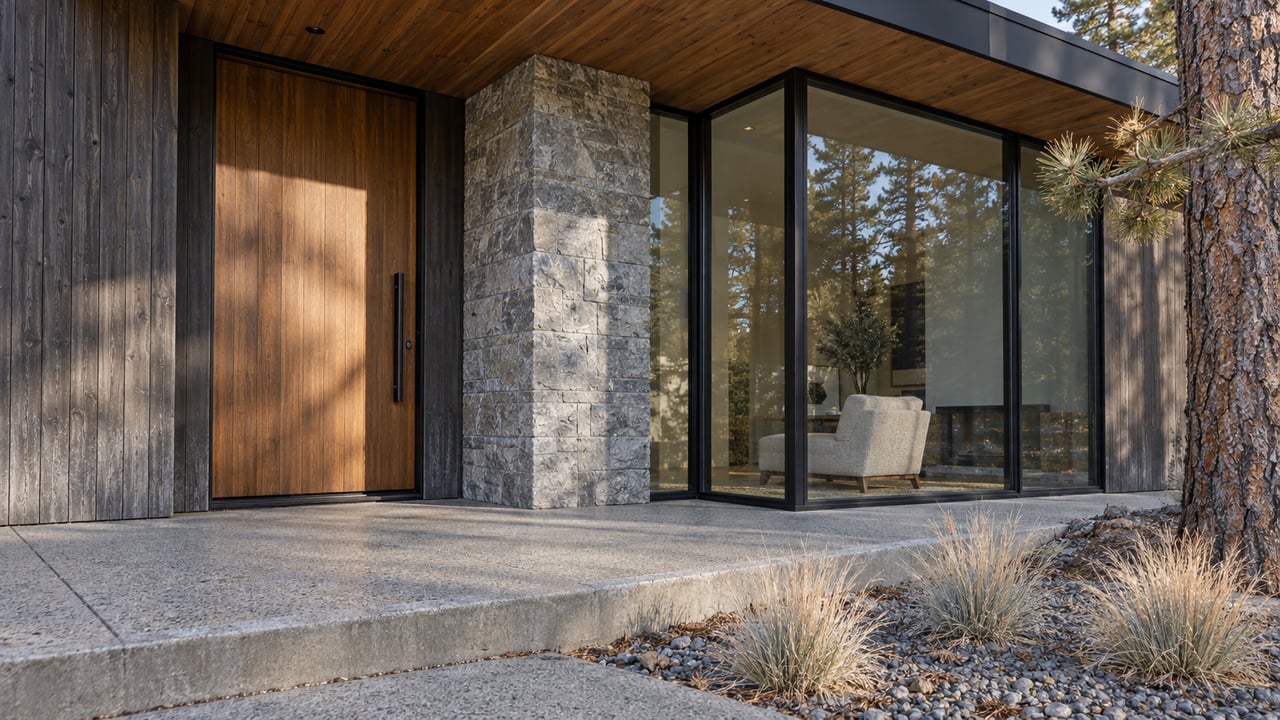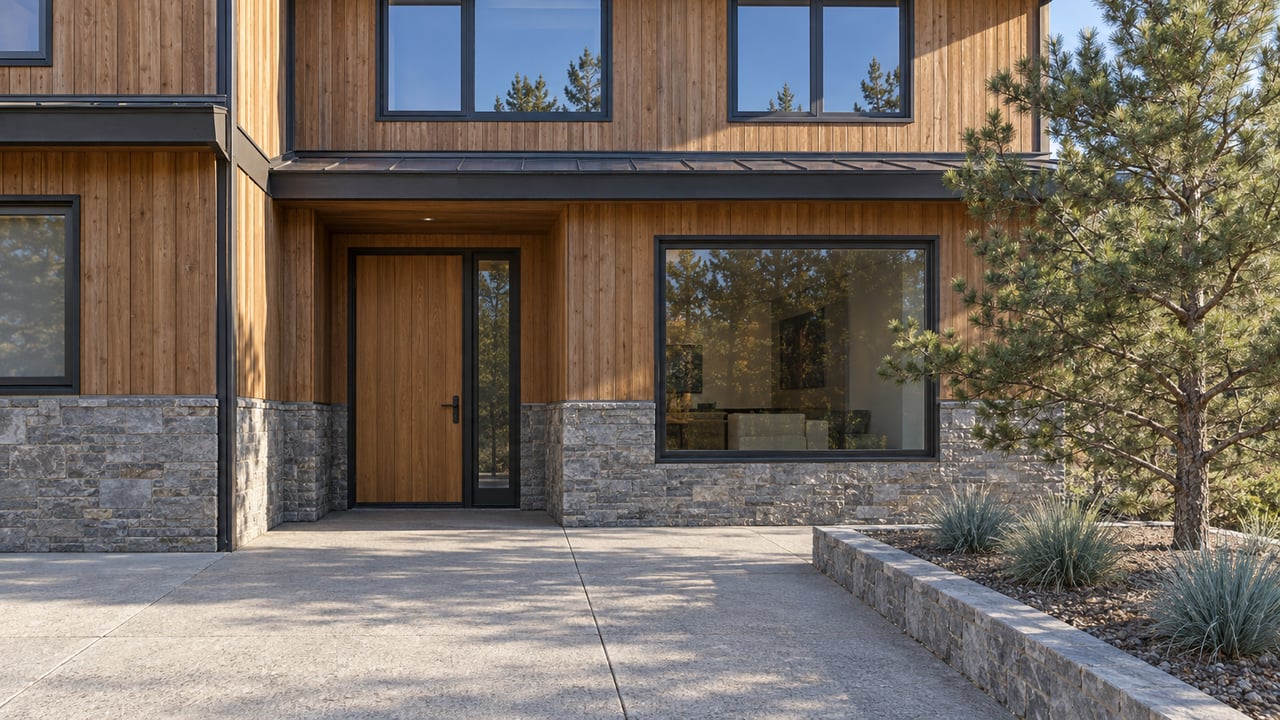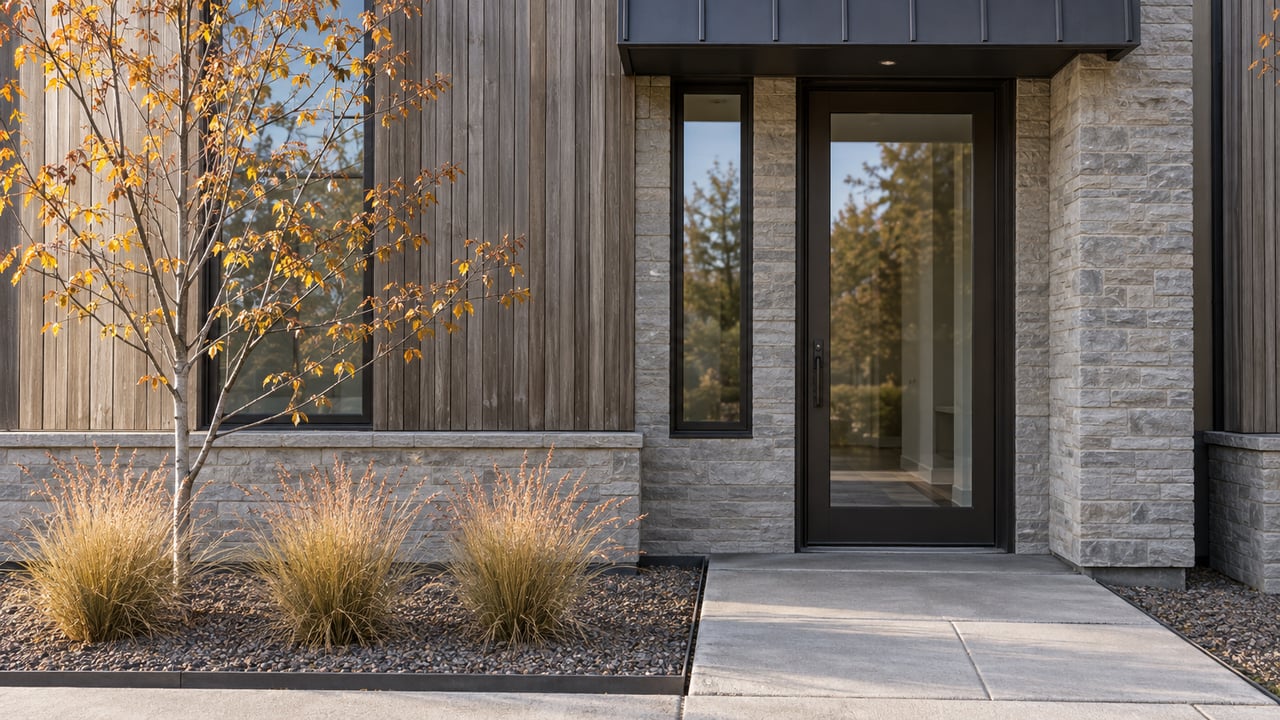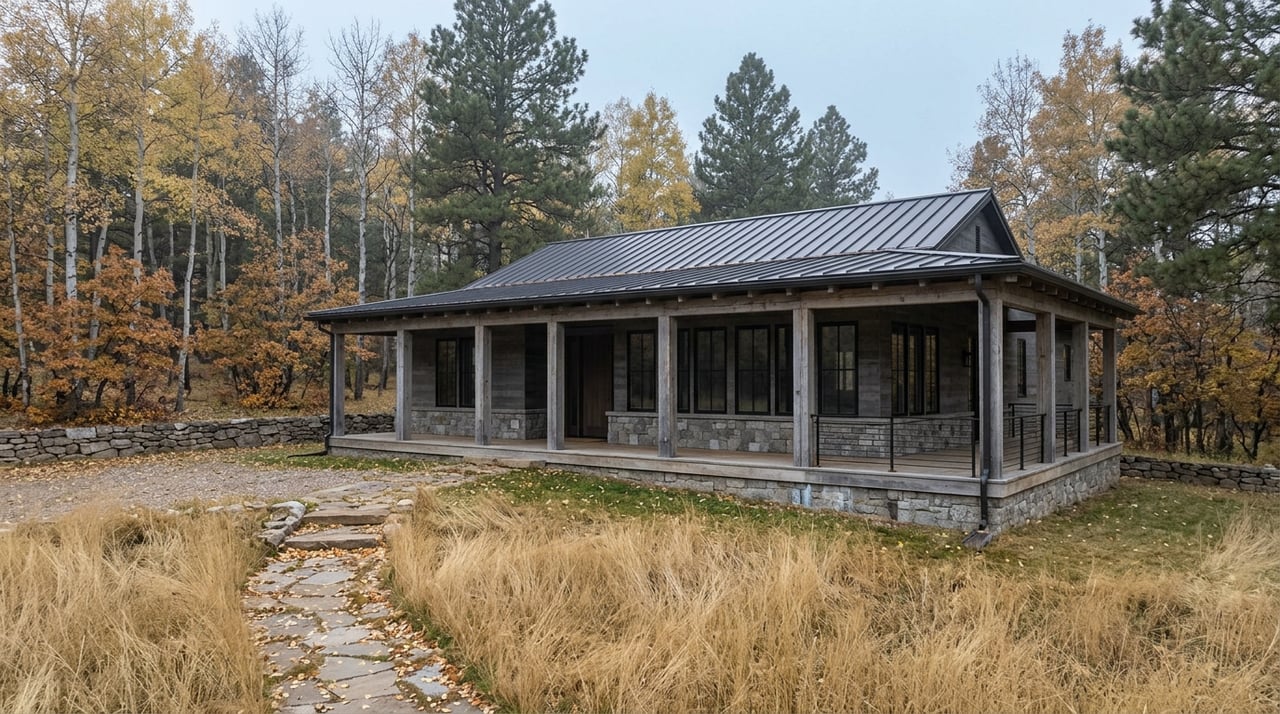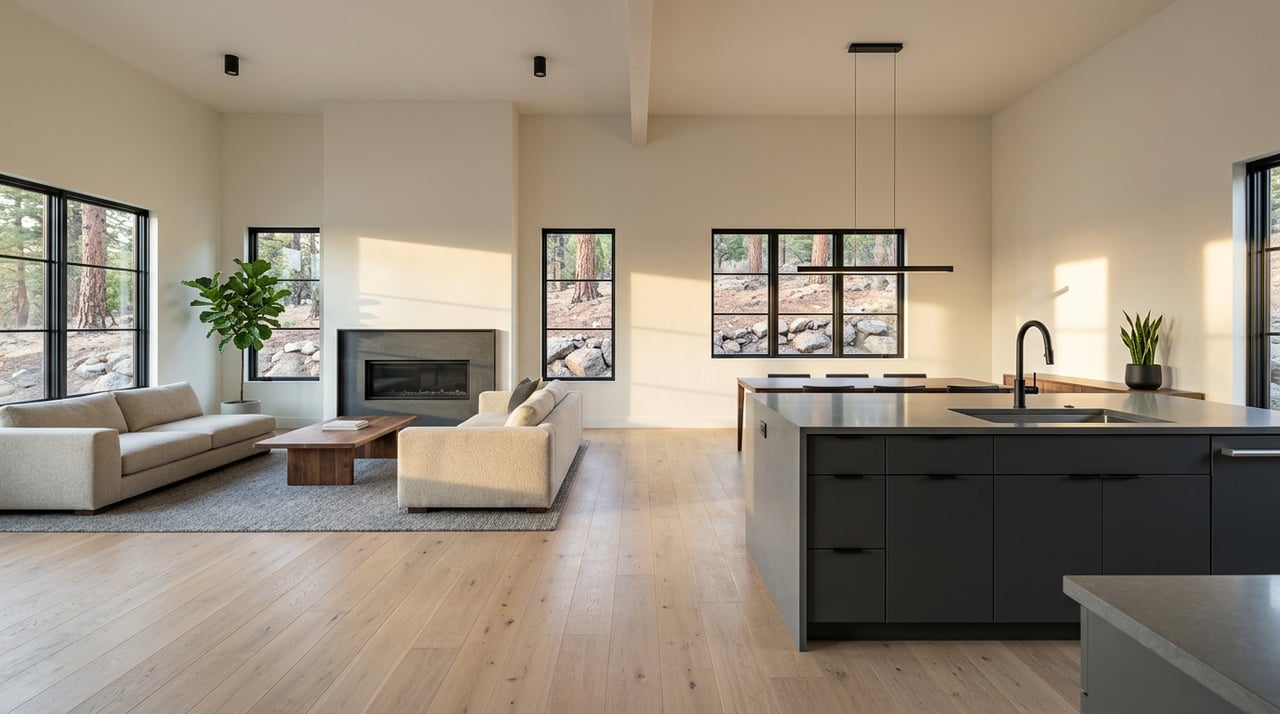
Thinking about building your Durango home with in-town convenience and miles of trails at your doorstep? Twin Buttes likely sits at the top of your list. The upside is big, but the path from picking a lot to getting keys includes design reviews, permits, and financing steps that can feel complex. This guide walks you through lots, builders, the approval process, fees, financing, and realistic timelines so you can plan with confidence. Let’s dive in.
Why Twin Buttes stands out
Twin Buttes is a master-planned neighborhood about 2 miles west of downtown Durango. You get a true in-town setting with preserved open space and an established trail network. According to the City, Twin Buttes features significant public open space and about 10 miles of City trails, while some community materials note up to 14 miles of paths. If trails and access to nature are on your must-have list, this community delivers. Explore the City’s Twin Buttes overview to see the latest amenity map and trail details.
- Learn more about Twin Buttes open space and trails on the City page for Twin Buttes: City of Durango facility details
Current listings show that new construction inside Twin Buttes often trades at a premium compared with broader La Plata County medians. Public trackers recently placed county median listing prices in the high six to low seven figures, while new builds in Twin Buttes commonly list in the low to mid seven figures. One example is a recent Sutter Homes listing near $1.699M. Numbers move with the market, so review fresh data before you decide. For a quick temperature check, see the La Plata County market snapshot and compare with active Twin Buttes listings.
Lots and buildable size
Twin Buttes offers a wide range of lot sizes, from smaller in-town parcels around 0.18 to 0.3 acres to larger sites over an acre. Your design options depend on both lot size and the neighborhood’s design rules.
FAR at a glance
Twin Buttes uses a Floor Area Ratio rule to set the maximum gross floor area for each lot. A few examples from the current Design Standards help you estimate potential size:
- About 7,500 square foot lot: max roughly 4,275 square feet
- About 10,000 square foot lot: max roughly 4,900 square feet
- About 20,000 square foot lot: max roughly 6,500 square feet
- Lots over 30,000 square feet use a 0.27 to 1 ratio
Review the official table before you finalize your program. You can find it in the Twin Buttes Design Standards and Guidelines.
Heights, setbacks and garages
Practical rules shape your massing and garage layout.
- Typical maximum building heights: up to 35 feet for pitched roofs, up to 30 feet for flat roofs; garages and ADUs are generally lower.
- Setbacks and driveway lengths are defined. For example, the face of the garage is typically set back at least about 18.5 feet from the roadside property line, and driveways that connect to a shared driveway usually must be about 22 feet long.
- Three-car front garage designs face extra scrutiny with rules that control door planes and front façade percentages. Plan for careful elevations to meet these standards.
Confirm exact figures and any lot-specific exceptions in the Design Standards.
ADUs and accessory structures
Accessory dwelling units are allowed with clear limits.
- Maximum ADU size: 625 square feet
- Minimum rental term if used as a rental: 30 days
- One additional off-street parking space is required
- Accessory outbuildings that are not ADUs cannot include kitchens or showers and cannot be used for rental
Short-term rentals under 30 days are not allowed for ADUs in Twin Buttes. Get the full details in the Design Standards and Guidelines.
Who builds in Twin Buttes
Several local builders have delivered homes in Twin Buttes. You will see active names on current listings and community pages. For example, Sutter Homes has Twin Buttes listings, and local custom builders like Skywalker Construction, JITA, and T-Squared have completed projects in the community.
- To see community activity and recent projects, scan the Twin Buttes neighborhood overview.
- For a feel of current pricing and timing language, review an example new build such as the Sutter Homes listing on Wild Chives Court.
Tip: when you interview builders, ask about their most recent Twin Buttes DRC approvals, typical build timelines, fixed-price versus cost-plus contracts, and whether they have pre-approved plans that fit your lot’s FAR and slope.
The approval and permits roadmap
Every home in Twin Buttes must pass through the neighborhood’s Design Review Committee before the City of Durango will issue building permits, and again before the City will issue a Certificate of Occupancy. Keeping the sequence straight helps you set a realistic schedule.
DRC reviews and submittals
The DRC process typically moves through Conceptual, Preliminary, Final, then Final Approval. A Compliance Certificate from the DRC is required for the City to issue your building permit. Complete application packages must be submitted by noon on the Friday two weeks before a scheduled DRC meeting. The committee generally meets twice a month, which means missed deadlines can add weeks. Start here for process and meeting info on the Twin Buttes DRC page and pull the full standards in the Design Standards and Guidelines.
Stormwater and site prep
Before you clear or grade, you need a CDPHE stormwater permit and a project-specific Stormwater Management Plan accepted by City Engineering. Typical review windows are often about 5 to 10 business days for the State permit and about 2 to 3 weeks for City acceptance. These items are early gating steps that often determine your groundbreaking date. See the practical checklist and timing notes in the Builder Information Package.
City permits, inspections and CO
When you submit for your City building permit, include the DRC Compliance Certificate. Plan for standard City permit fees and use tax. All new single-family homes require fire suppression that meets IRC P2904. After construction, the DRC must complete a final inspection before the City issues your Certificate of Occupancy. The Builder Information Package centralizes job-site rules, parking maps, staging areas, and concrete washout requirements to keep your site in compliance.
Fees and budget planning
Budgeting correctly at the start can save surprises later. Twin Buttes and the City of Durango outline several fees that commonly apply to new homes.
- Durango Fire Protection District impact fee, listed at $819 per unit in the Builder Information Package
- City building permit fees and City use tax
- Water and Sewer Plant Investment Fees
- Major Streets Impact Fee
- Twin Buttes projects are exempt from park and school fees per the Builder Information Package
The Metro District budgets and documents also note revenue mechanisms such as real estate transfer fees and other district-related charges. Fee schedules update over time, so verify all current amounts with City Building and the Twin Buttes Metropolitan District during your due diligence. Use the Builder Information Package as your primary checklist.
Timeline: dirt to move-in
Here is a common sequence for a Twin Buttes build and the timing drivers you should expect:
- Select your lot and builder, and start concept design.
- DRC Conceptual review, then Preliminary and Final reviews. The twice-monthly DRC cadence and Friday submission deadline can add or save weeks.
- Secure CDPHE stormwater permit and City SWMP acceptance. Plan roughly 2 to 4 weeks for these reviews.
- Submit for the City building permit with your DRC Compliance Certificate.
- Break ground, complete foundation, framing, rough-ins, and exterior.
- Finish interiors, landscaping, and final site work. Submit for DRC final inspection and City CO.
Local examples show ground-up timelines often running about 8 to 14 months from start of construction to move-in for custom or semi-custom builds, depending on weather, labor availability, and change orders. You can see this reflected in local listing notes, such as the Sutter Homes example on Wild Chives Court, which outlines anticipated start and completion windows.
Financing your build
You have several ways to finance the lot and construction. The best fit depends on your down payment, risk tolerance, and whether you want one closing or two.
Lot loans vs. one-time close
If you buy the lot first, lenders typically treat land as higher risk, which can mean larger down payments and higher rates. To simplify, many buyers prefer a single construction-to-permanent loan that wraps land, construction draws, and the final mortgage into one closing. Learn the basics of FHA and conventional construction financing in this overview from Bankrate on FHA construction loans.
Lenders usually require a fixed-price contract or detailed cost breakdown, a draw schedule, and third-party inspections at each draw. They also underwrite your loan-to-value based on the completed home and may require a contingency reserve. For FHA-insured options, see Experian’s guide to FHA construction loans.
One-close vs. two-close
A quick comparison to help you decide:
| Feature | One-time Close | Construction-only |
|---|---|---|
| Closings | Single closing, then converts to mortgage | Two closings, then refinance or new mortgage |
| Rate/Costs | Often lower total closing costs | Potentially higher total costs due to second closing |
| Cash Flow | Interest-only during build, then converts | Interest-only during build, then refinance |
| Certainty | Locks structure early, fewer moving parts | Flexibility to shop permanent loan later |
Pro tip: choose a lender that regularly underwrites construction loans in Durango and ask about acceptable builders, draw inspections, contingency reserve requirements, and conversion timing.
Resale vs. new in Twin Buttes
Should you build or buy resale? Here is how buyers in Twin Buttes often compare the two.
- Price and product. New construction in Twin Buttes typically carries a premium over broader county medians, but you get modern systems, warranties, and a DRC-vetted design. Reference current comps and new-build examples like the Wild Chives Court listing to calibrate.
- Timing and certainty. Resale purchases usually close faster with standard lending and inspections, while new construction adds design, permitting, and building time.
- Community buildout. Twin Buttes is still maturing. The City approved a plan that includes 30 for-sale affordable units at the former Animas High School site, part of a broader housing agreement that supports long-term community value and connectivity. Read the City Council approval update in the Durango Herald.
How to get started
If Twin Buttes fits your goals, begin by shortlisting lots that match your budget and desired home size based on FAR. Interview builders with recent DRC approvals and ask for realistic schedules. Pull the official checklists and meeting deadlines, then loop in a lender experienced with construction-to-permanent loans.
When you want a hands-on partner to quarterback the process, lean on a local advisor who knows Twin Buttes design rules, job-site logistics, and the permit sequence. With trade-level insight into plumbing and mechanical systems, you can make smarter design choices early and avoid costly changes later. If you are ready to take the next step, connect with Jeremiah Aukerman - eXp Realty Luxury for local lot options, builder introductions, and a clean plan from concept to closing.
Key resources
- Twin Buttes DRC process and meetings: Design Review Committee page
- Design rules: Design Standards and Guidelines PDF
- Permit and site logistics: Builder Information Package PDF
- Trails and open space: City of Durango Twin Buttes
- Market context: La Plata County market snapshot
- Community buildout update: Durango Herald coverage
FAQs
What approvals do I need to build in Twin Buttes?
- Every project must pass the Twin Buttes DRC and receive a Compliance Certificate before the City issues a building permit, and the DRC must perform a final inspection before the City issues a Certificate of Occupancy.
How big of a home can I build on my lot?
- Home size is governed by a Floor Area Ratio table. As examples, about 7,500 square feet of lot area supports roughly 4,275 square feet of gross floor area, and about 20,000 square feet supports roughly 6,500 square feet. See the official table in the Design Standards.
Are ADUs allowed in Twin Buttes?
- Yes, ADUs are allowed up to 625 square feet with one off-street parking space. If rented, the minimum term is 30 days. Short-term rentals under 30 days are not allowed for ADUs.
What fees should I expect beyond construction costs?
- Plan for City building permit fees and use tax, Water and Sewer Plant Investment Fees, the Major Streets Impact Fee, and a Durango Fire Protection District impact fee listed at $819 per unit. Twin Buttes projects are exempt from park and school fees per the Builder Information Package.
How long does a new build usually take in Twin Buttes?
- After groundbreaking, many Twin Buttes builds run about 8 to 14 months to completion, depending on weather, labor, materials, and change orders. The DRC schedule and stormwater approvals often set the early pace.