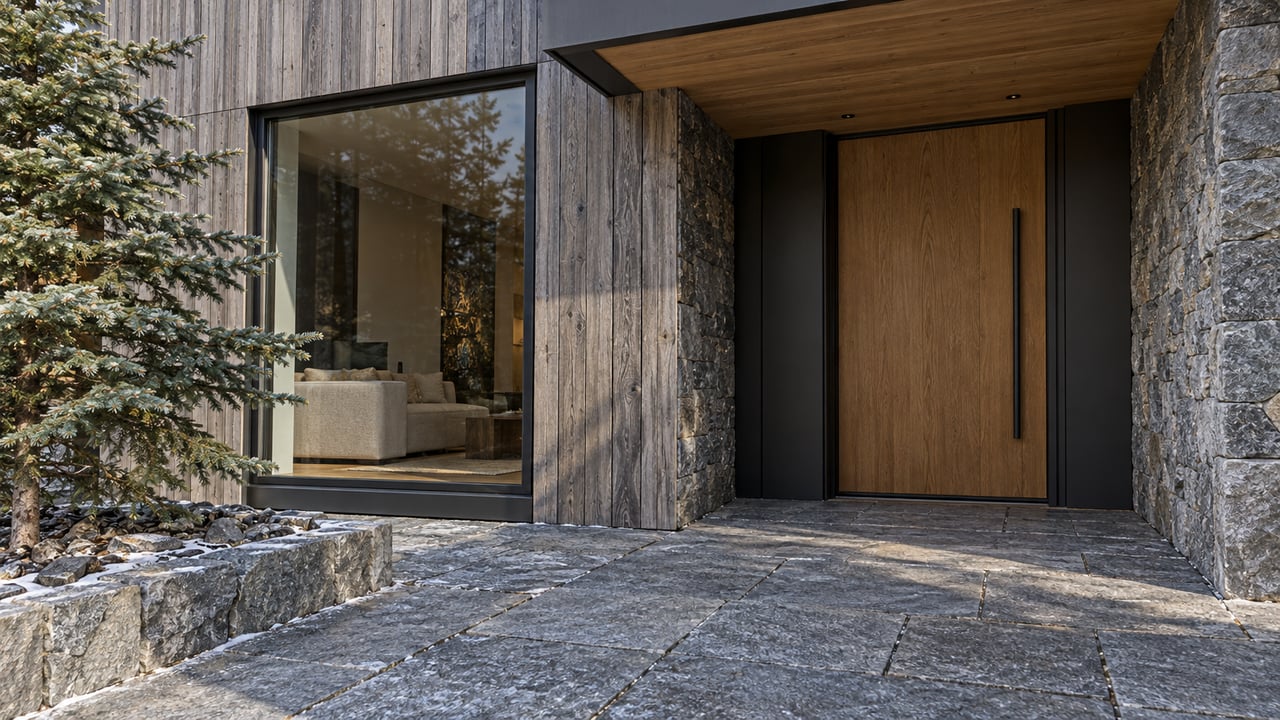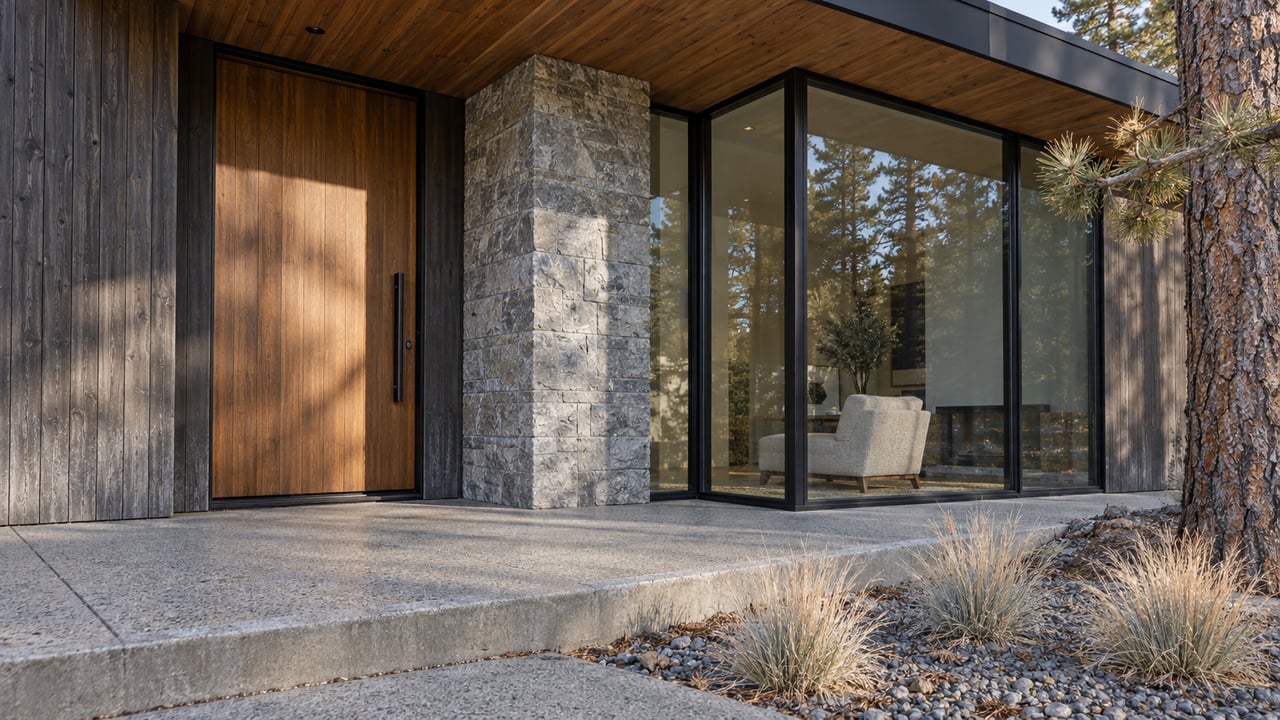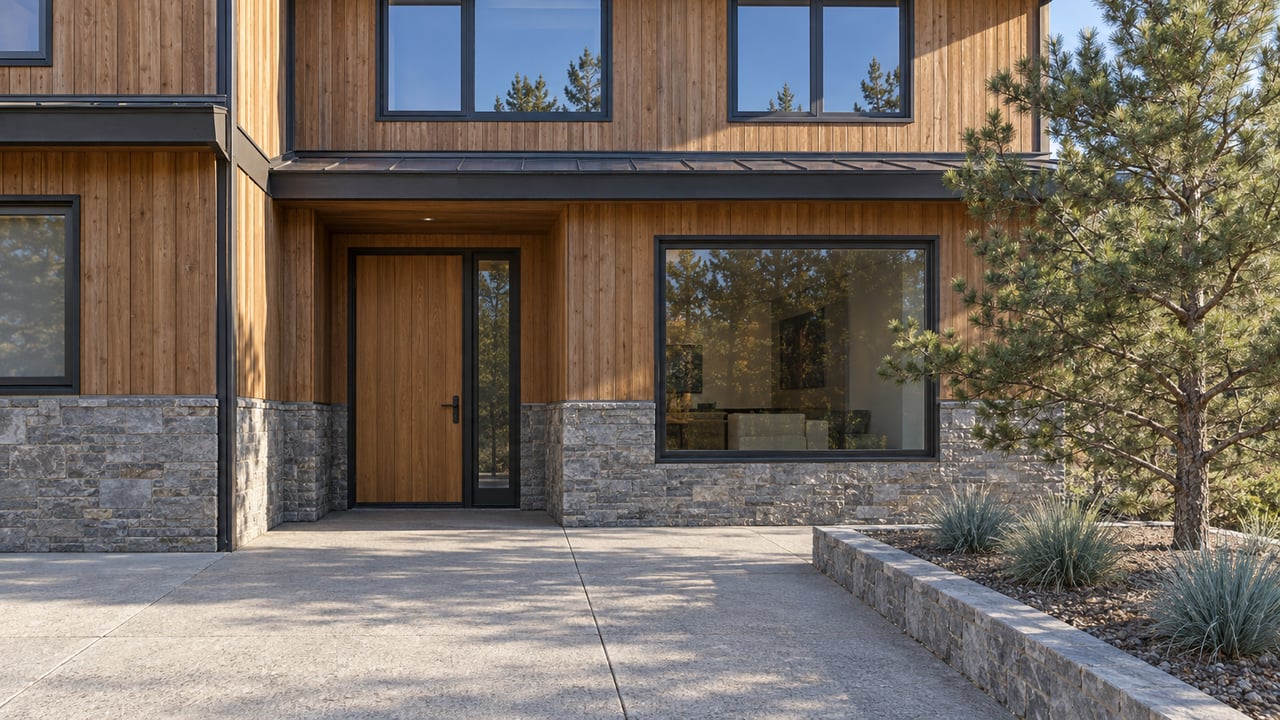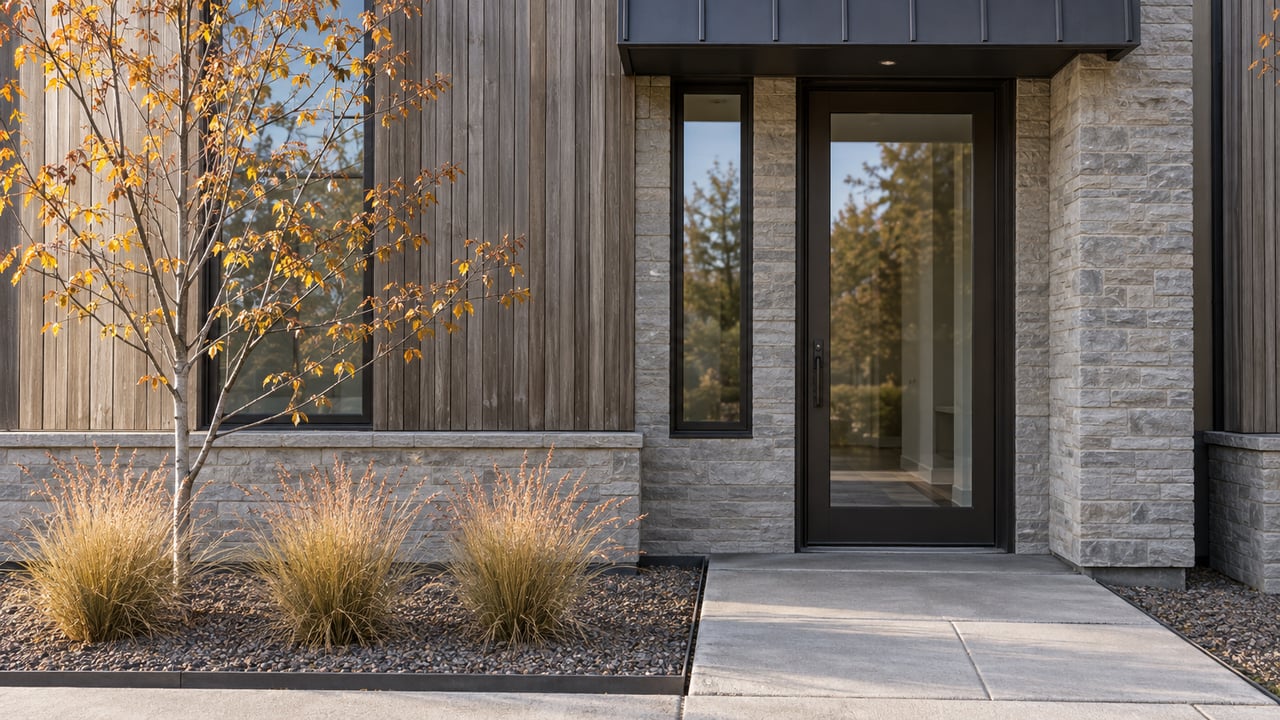
Pricing your Bayfield home right can make the difference between early interest and a listing that sits. If you are getting ready to sell, you are probably wondering how to balance your goals with a market that can feel uneven from one property type to the next. This guide will help you understand what today’s Bayfield numbers really mean, how buyers are reacting, and how to set a price that gives your home the best chance to attract serious offers. Let’s dive in.
Why Bayfield Pricing Takes Nuance
Bayfield is not a market where one headline number tells the full story. In March 2026, Redfin reported a median sale price of $430,000 in Bayfield, down 11.3% year over year, but only one home sold that month. When monthly sales are that limited, a single closing can swing the numbers and create a misleading picture.
That is why pricing your home in Bayfield should start with a rolling set of comparable sales, not one monthly median. This matters even more if your property has acreage, views, outbuildings, livestock features, or utility setups that differ from a standard subdivision home.
Bayfield also has a wide range of active inventory. Current examples run from smaller residential properties to large gated acreage and ranch listings priced into the millions. That spread is a reminder that a neighborhood home, a small-acreage property, and a large ranch should never be priced from the same comp bucket.
What Today’s Market Signals Mean
Some Bayfield data points point to competition, while others show buyers are still price-sensitive. Redfin says homes are pending in about 22 days on a rolling basis and average about 2% below list price. At the same time, Redfin reported 98 median days on market for March 2026, and FRED showed La Plata County median days on market at 107 days in February 2026.
The takeaway is simple. Buyers are active, but they are selective. A home that is well-presented and priced in line with the right comps can move, while an overpriced listing can sit and lose momentum.
That is especially true in a market like Bayfield, where buyers often compare condition, land use, access, and utility infrastructure before deciding what a property is worth. In other words, price still matters, but context matters just as much.
Why Condition Affects Value Fast
Recent Bayfield sales show a clear pattern. Buyers are willing to pay more for homes that feel complete, cared for, and ready to enjoy. They are much less forgiving when a property needs work or when the price does not match the condition.
One recent Bayfield home at 808 Pine Valley Rd sold for $505,000 after 84 days on market, about 6% below its $539,900 list price. Other recent sales showed stronger results for homes described as carefully updated or improved, while a townhome sale included a $3,000 closing credit.
That pattern matters if you are choosing between listing now as-is or making targeted updates first. Fresh paint, completed repairs, clean presentation, and a finished remodel can support a stronger list price. Deferred maintenance, incomplete projects, or needed buyer credits usually pull value down.
Bayfield Homes Need the Right Comp Set
A good pricing strategy starts with the right comparable sales. That sounds obvious, but in Bayfield it is where many pricing mistakes begin. If your home sits on acreage, has a well and septic system, or includes a shop, barn, or special access features, nearby subdivision sales may not tell the full story.
Appraisal logic supports this approach. Valuation methods compare homes using factors like square footage, bedroom and bathroom count, year built, and nearby sales, then adjust for differences. In rural areas, there are often fewer truly comparable sales, which means comp selection has to be more careful.
For Bayfield sellers, that means the best pricing process usually looks like this:
- Start with the most similar recent sales in your property type
- Prioritize similar acreage, access, utility setup, and improvements
- Adjust for condition, upgrades, and functional features
- Use broader Bayfield data as background, not the final answer
This is one reason online estimates can only take you so far. They are useful for a starting range, but they do not always capture the details that matter most in a local rural or small-acreage market.
Online Estimates Are a Starting Point
If you have checked your home’s value online, you are not alone. Zillow says its Zestimate is a computer-generated estimate and recommends pairing it with a professional appraisal or comparative market analysis. Redfin also explains that its value tool uses many market and property data points and can be refined with updated home facts and photos.
That is helpful, but it still does not replace local pricing judgment. A Bayfield home with mountain views, mature trees, engineered septic, county-road access, propane heat, wood heat, or a better utility setup may deserve a different price than a similar-size home without those features.
The best way to think about online estimates is this: use them as a broad range, not a pricing decision. Your list price should come from a local CMA built around the right comps, current competition, and the condition of your specific property.
Acreage, Access, and Utilities Matter
In Bayfield, value is often tied to more than the home itself. Buyers may weigh acreage, road access, fire mitigation, water source, septic setup, natural gas availability, hydrants, outbuildings, and usable land almost as heavily as interior finishes.
That means two homes with similar square footage can land at very different price points. A small-acreage property with strong access, solid infrastructure, and a move-in-ready house may outperform a larger parcel with limitations or unfinished work. On the flip side, a property with specialized land features can justify a premium if the right buyer sees clear value in it.
This is where practical property knowledge matters. Sellers often focus on square footage and cosmetic updates, but buyers are also looking at the systems and setup behind the scenes. If your home has meaningful mechanical, utility, or site advantages, those details should be reflected in the pricing story from day one.
How to Avoid Overpricing
Overpricing usually feels safer at first. You may think you can test the market, leave room to negotiate, or hold out for the perfect buyer. In reality, the first market cycle is often your best shot at creating urgency and attracting the strongest interest.
If showing traffic is weak, buyers keep objecting to price, or you are not getting serious offers, that is usually the market sending feedback. In a pricing-sensitive market, waiting too long to adjust can make your listing feel stale.
That matters beyond timing. If a buyer goes under contract and the valuation comes in below the agreed price, the lower value can become leverage for renegotiation. A smart initial list price helps reduce that risk and supports a smoother path from showing to closing.
A Practical Pricing Approach for Bayfield Sellers
If you want to price your Bayfield home with confidence, focus on a process instead of a guess. A strong plan blends local comps, property-specific details, and honest buyer expectations.
Here is a practical framework:
1. Separate your property type
Decide which market segment your home actually belongs in. A subdivision home, horse property, five-acre setup, and luxury estate do not compete in the same way.
2. Build a clean comp list
Use recent nearby sales that match your home as closely as possible. In Bayfield, that often means going beyond a tight subdivision radius and focusing on true similarity first.
3. Adjust for condition
Be honest about updates, deferred maintenance, and project completion. Buyers in today’s market are rewarding homes that feel finished and discounting homes that do not.
4. Factor in land and infrastructure
Include utility setup, access, outbuildings, fire mitigation, and usable acreage in the pricing analysis. These features may not show up well in automated estimates, but they matter to buyers.
5. Watch early market feedback
The first weeks on market tell you a lot. If buyers are touring but not offering, or if they all share the same concern, price may need to move quickly.
Pricing for Results, Not Just Attention
The goal is not just to list your Bayfield home. The goal is to position it so the right buyers see the value, respond quickly, and make strong offers. In a market with broad inventory, mixed property types, and price-sensitive buyers, disciplined pricing is one of the biggest advantages you can control.
A smart pricing strategy looks at the numbers, but it also looks past the numbers. It accounts for condition, land, infrastructure, buyer expectations, and the reality of how your home stacks up against current competition. That kind of pricing does more than generate clicks. It helps protect your time, your leverage, and your bottom line.
If you want a pricing strategy built around the realities of Bayfield and La Plata County, Jeremiah Aukerman - eXp Realty Luxury brings local market knowledge, hands-on property insight, and practical guidance to help you list with confidence.
FAQs
How should I price my Bayfield home in today’s market?
- Start with recent comparable sales that truly match your property type, condition, acreage, and utility setup. In Bayfield, a rolling set of local comps is more reliable than one monthly median.
Are Bayfield homes selling below asking price?
- Recent Bayfield data from Redfin shows homes averaging about 2% below list price on a rolling basis, and at least one recent sale closed about 6% under its original list price after extended market time.
Do online home value estimates work for Bayfield properties?
- They can help as a first step, but they should not be your final pricing tool. Online estimates may miss local factors like acreage, access, well and septic systems, outbuildings, and condition.
Does home condition affect Bayfield sale price a lot?
- Yes. Recent local sales suggest buyers are paying more for move-in-ready homes and pushing back on homes with deferred maintenance, incomplete remodeling, or needed credits.
How do I price a Bayfield home with acreage?
- Use comps with similar acreage, utility infrastructure, access, and land improvements whenever possible. Subdivision sales can offer background context, but they should not drive the full pricing decision for acreage properties.
When should I lower the price on a Bayfield listing?
- If your listing gets weak showing activity, repeated price objections, or no serious offers during the first market cycle, it is usually smart to revisit the price promptly rather than let the home go stale.