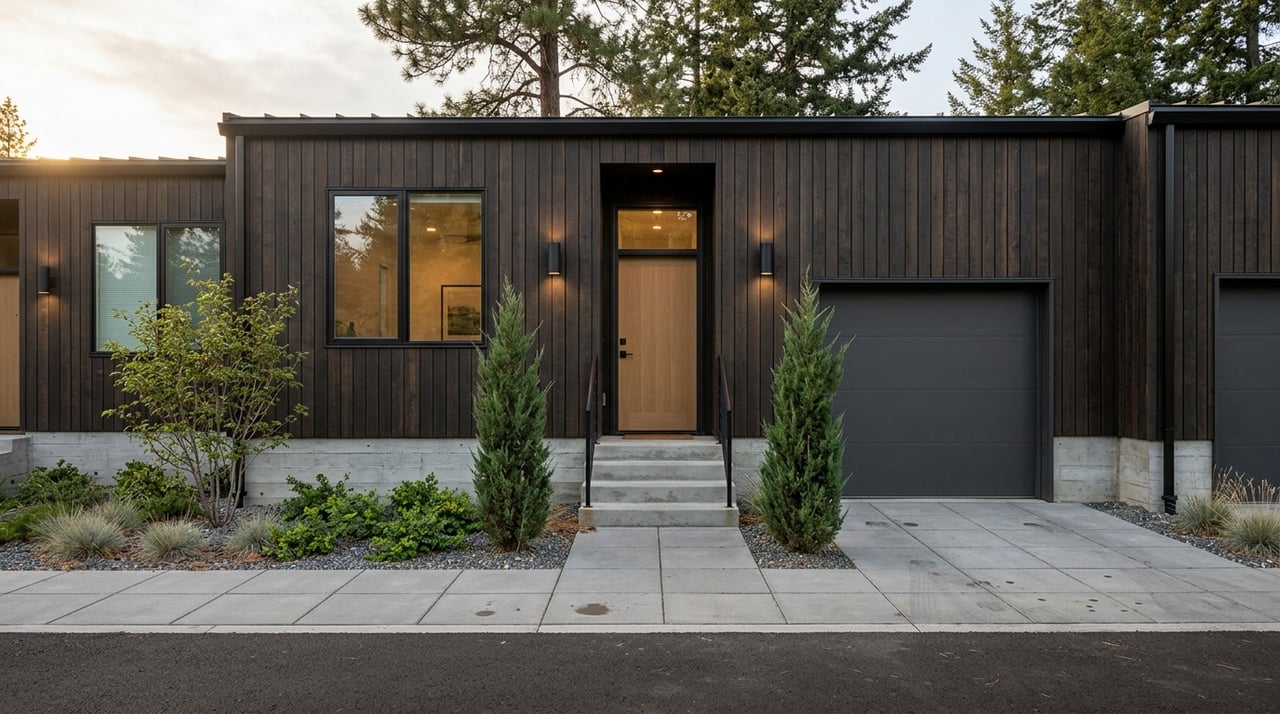
Considering a Durango townhome for your next investment? You are not alone. With mountain appeal, steady tenant demand, and lower maintenance than many single-family homes, attached properties can look like the practical path into the market. The catch is returns depend on realistic rents, HOA rules, and whether short-term rental permits are even possible. In this guide, you will see what prices and rents look like today, how the math pencils out, and when a Durango townhome fits a smart long-term plan. Let’s dive in.
Quick take: When townhomes make sense
If you value hands-off ownership, want in-town convenience, and are comfortable with modest initial cash flow, a Durango townhome can fit your strategy. Returns tend to be lower on paper at purchase, but the tradeoff is less exterior maintenance and a lower entry price compared to many single-family homes.
If you need strong cash flow on day one, or you are counting on vacation-rental income without a current permit, focus your search carefully. The city’s rules, HOA limitations, and operating costs can compress yield.
What the numbers say right now
Purchase prices and supply
The Durango in-town median sale price for condos and townhomes in 2025 was about $545,000, with 157 units sold. Inventory for condos and townhomes increased roughly 43% year over year in late 2025, which eased the ultra-tight conditions of prior years. More supply can create negotiating room and slightly longer days on market for buyers to evaluate options. These figures come from the Durango Area Association of REALTORS annual data packet. You can review the details in the association’s 2025 market summary for La Plata County and Durango to confirm the latest median and inventory trends (Durango REALTORS 2025 report).
Long-term rent benchmarks
Durango’s long-term rents vary by location and finish. Recent market snapshots place the overall median rent near $1,875 per month, which aligns with what many two-bedroom townhomes can achieve in typical neighborhoods (Zumper’s Durango rent research). Some data sources publish higher averages for certain two-bedroom units, and current listings often show a range from about $1,800 to $2,500 per month for attached homes.
For a conservative baseline, HUD’s Fair Market Rents offer a 40th-percentile benchmark for La Plata County. A representative two-bedroom figure used for screening is around $1,589 per month, which many investors treat as a floor when stress-testing a deal (La Plata County FMR snapshot).
Seasonality also matters. Durango sees stronger demand in summer and during ski season, which can help reduce vacancy at certain price points. Student and staff demand from local institutions adds another steady layer of renters through the year.
Cap rate math you can copy
To make apples-to-apples comparisons, use simple cap rate math. Below is an example using the 2025 condo and townhome median purchase price of $545,000 and a conservative 50% operating expense rule of thumb. That 50% estimate is only a screen, but it helps you filter before you build a detailed pro forma (how the 50% rule works).
Assumptions for screening:
- Purchase price: $545,000 (2025 DAAR data)
- Operating expenses: 50% of gross rent
- Three rent scenarios from the research packet
Results:
- Conservative rent floor: $1,589 per month → $19,068 per year gross → about $9,534 NOI → cap rate roughly 1.8% (FMR reference)
- Mid rent: $1,875 per month → $22,500 per year gross → about $11,250 NOI → cap rate roughly 2.1% (Zumper rent research)
- Optimistic long-term rent: $2,433 per month → $29,196 per year gross → about $14,598 NOI → cap rate roughly 2.7%
What this means: at median prices, long-term rental cap rates look low. That does not make townhomes a bad buy. It means you should underwrite carefully, negotiate purchase price where you can, and view return as a blend of net income, principal paydown, tax benefits, and long-term appreciation.
Short-term rentals: rules you need to know
Short-term rentals in Durango are regulated by a Limited Use Permit. They are allowed only in specific zones and are often subject to caps, waitlists, and a $750 application fee. Crucially, permits do not transfer upon sale, so a unit that operates as an STR today may lose that status when it changes hands. The city’s Vacation Rental Information page outlines zoning, caps, and the permit process (City of Durango STR overview). You can also review the procedural steps in the city’s official guidebook (permit guidebook details).
Practical takeaways:
- Verify zoning, caps, and any waitlist before you model STR revenue.
- Confirm HOA rules allow STRs before you write an offer.
- Expect higher operating costs for STRs, including cleaning, turnover, furnishings, and management.
STRs can push gross income higher in peak seasons, but true net returns depend on legal eligibility, HOA approval, occupancy, and careful cost management.
Costs that can surprise you
HOA dues and rental rules
Many Durango townhomes carry HOA dues that commonly fall in the $100 to $300-plus per month range, depending on the development. Dues often cover exterior maintenance, snow removal, and common areas, which can simplify ownership but reduce monthly cash flow.
HOAs can restrict rentals through recorded covenants. Colorado’s Common Interest Ownership Act sets the framework that associations must follow when adopting and enforcing rental rules. Before you buy, read the declaration and rules for rental caps, minimum lease terms, manager contact requirements, and any STR prohibitions (rental rule guidance under CCIOA).
Insurance and rising operating expenses
Insurers across parts of Colorado have tightened underwriting and raised premiums due to wildfire risk and higher rebuild costs. Local market reporting notes that these pressures have affected both sales activity and operating budgets. Build realistic insurance quotes into your expense model and account for potential increases over time (Durango REALTORS 2025 report).
Property taxes and local levies
City and county mill levies matter when you convert assessed value to an annual tax estimate. The City of Durango’s mill levy sits near 5.007 mills for the city portion, and La Plata County’s historic county mill levy has been reported in the 8 to 9 mill range. Actual tax bills vary by parcel, so confirm with the county assessor, but use those ranges for early screening (local mill levy context).
Financing paths and how they shape returns
Investment property loans usually require higher down payments and carry higher rates and pricing adjustments than primary residence loans. Many investors plan for 15 to 25 percent down for conventional investment financing. Second-home loans can have different down-payment options and occupancy rules, but they may limit how often you can rent the property. Debt service coverage ratio (DSCR) loans and other non-QM products are options if you qualify based on the property’s income rather than your personal income. Discuss the differences with your lender so your financing aligns with your use plan (second-home vs investment overview).
Financing affects your cash-on-cash return as much as price and rent. Run sensitivity tests for interest rate, HOA dues, taxes, and insurance so you understand the full range of outcomes before you commit.
Who a Durango townhome fits best
- Long-term hold investor who values appreciation and principal paydown more than immediate cash flow.
- Hands-off owner who prefers HOA-managed exterior maintenance and snow removal, even if dues reduce net income.
- Second-home buyer who wants personal use with occasional long-term renting, subject to lender, city, and HOA rules.
- Experienced STR operator, but only when the specific unit is in the right zone and has a transferable path to a permit or already-permitted status you can maintain post-closing under city rules.
Due diligence checklist you can use
- Pull current comps for the exact neighborhood and unit type to confirm today’s fair price and days on market. Use the Durango REALTORS annual report as a backdrop, then check live MLS data with your agent (market baseline).
- Cross-check rents with two or three local property managers, then compare to current listings and aggregated data like Zumper and HUD FMR for a conservative floor (Zumper trend reference, FMR snapshot).
- Read the HOA declaration, bylaws, and rules for rental restrictions, assessment history, reserve funding, and insurance responsibilities (CCIOA context).
- If STR is part of your plan, verify zoning, caps, and permit logistics through the city, and factor in the $750 fee and non-transferability at sale (STR rules overview, permit guidebook).
- Get written insurance quotes that address wildfire and rebuild-cost assumptions, not just a generic estimate (market conditions note).
- Compare investment, second-home, and DSCR financing options with a lender so you understand rates, down payments, occupancy rules, and how each option impacts return (financing overview).
Final take: Are Durango townhomes a smart investment?
They can be, if you match the strategy to the asset. Durango townhomes trade below many single-family homes and offer simpler ownership, which many investors value. Long-term rent math at today’s median price points suggests lower cap rates, so you want to buy well, underwrite conservatively, and use a full return lens that includes appreciation and principal reduction.
If you are considering a unit with STR potential, do not underwrite on hopes. Verify zone and permit logistics first, then layer in the true costs of turnover, cleaning, management, and vacancy. That way, any upside you see has a legal and operational path behind it.
If you want a calm, numbers-forward conversation about a specific townhome, pricing, rent comps, HOA rules, or STR feasibility, reach out to Jeremiah Aukerman - eXp Realty Luxury. You will get pragmatic guidance, local market intel, and a plan you can act on with confidence.
FAQs
Are Durango townhomes cash flow positive at current prices?
- At the 2025 median purchase price of about $545,000, conservative cap-rate screens using typical long-term rents often pencil in the 2 percent range, so immediate strong cash flow is uncommon without a lower purchase price or higher-than-average rent (market data, rent reference).
Can I operate a Durango townhome as a vacation rental after I buy it?
- Only if the property is in an eligible zone and you secure a city permit; permits are non-transferable at sale, caps and waitlists apply in many areas, and your HOA must also allow STRs (STR rules).
What HOA rules should I check before making an offer?
- Read the declaration and rules for rental caps, minimum lease terms, required manager contact info, and any STR prohibitions; Colorado’s CCIOA governs how associations adopt and enforce such rules (CCIOA overview).
How do property taxes affect townhome returns in Durango?
- City and county mill levies feed into your annual tax bill; the city’s portion sits near 5.007 mills and county rates have been reported around 8 to 9 mills, so confirm the parcel’s assessed value and compute taxes during due diligence (mill levy context).
What down payment will I need for an investment townhome in Durango?
- Conventional investment loans often require 15 to 25 percent down, while second-home loans may allow different structures and have occupancy limits; DSCR loans can qualify based on property income (financing guide).