If you are thinking about buying in Edgemont Ranch, the neighborhood name alone does not tell you enough. This is one of those Durango-area communities where two properties can share the same address identity but come with very different lot sizes, rules, fees, and ownership responsibilities. If you want to buy with confidence, you need to understand how the homes, lots, covenants, and district services all fit together. Let’s dive in.
What Edgemont Ranch Feels Like
Edgemont Ranch is a forested residential subdivision northeast of downtown Durango, about 6.5 miles from historic downtown according to the official community pages. Many buyers are drawn to the mix of wooded privacy and practical infrastructure, which creates a different ownership experience than a more rural acreage neighborhood.
You get features that matter in daily life, not just on showing day. The Edgemont Ranch Metropolitan District handles water and wastewater systems, road construction and maintenance, and snow removal within district boundaries. That means you are buying into a neighborhood with central services, paved roads, and an organized district structure.
The community also includes more than 6 miles of trails, Florida River access, a tennis court, a playground, and recurring community events. For many buyers, that combination of natural setting and built-in amenities is a big part of the appeal.
Homes in Edgemont Ranch
Expect a varied housing mix
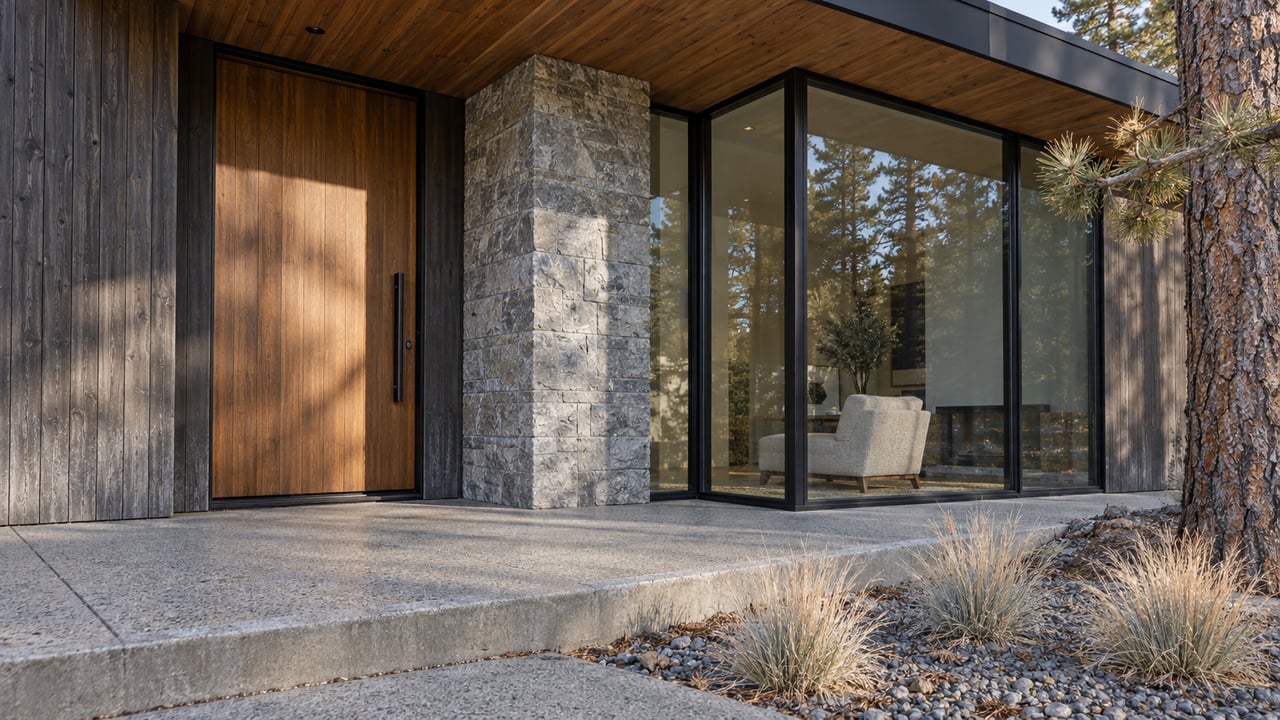
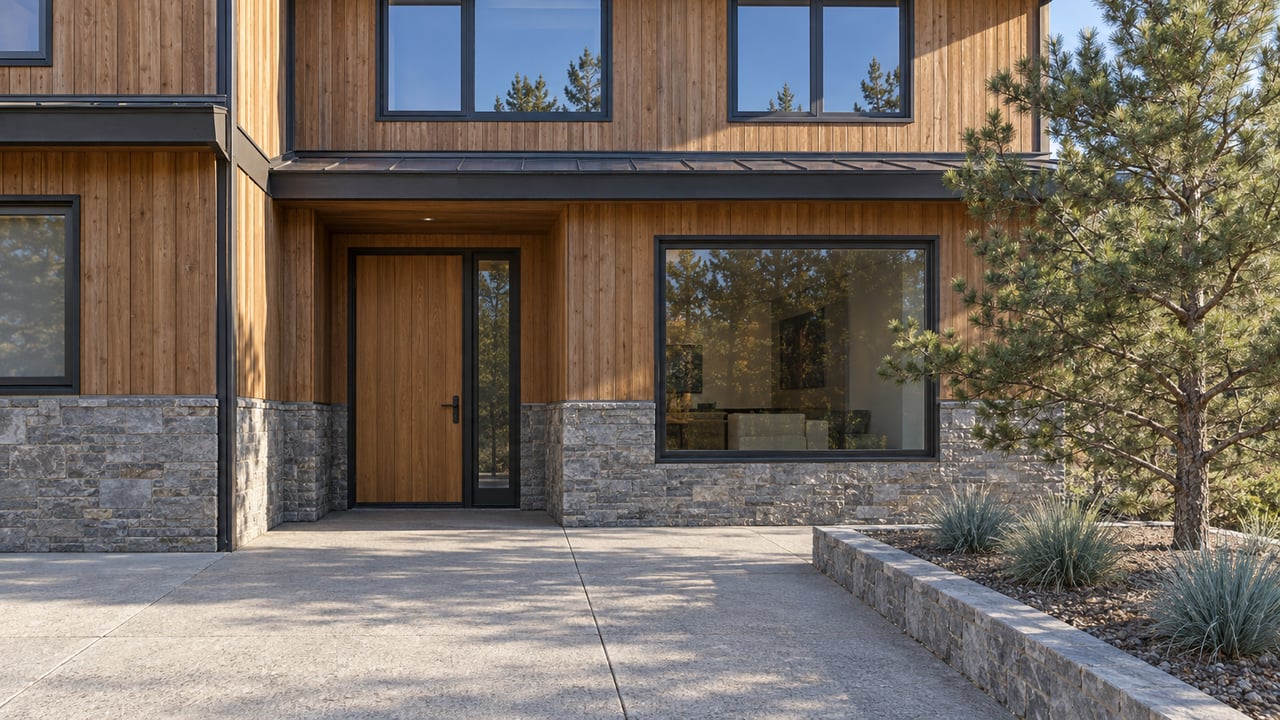
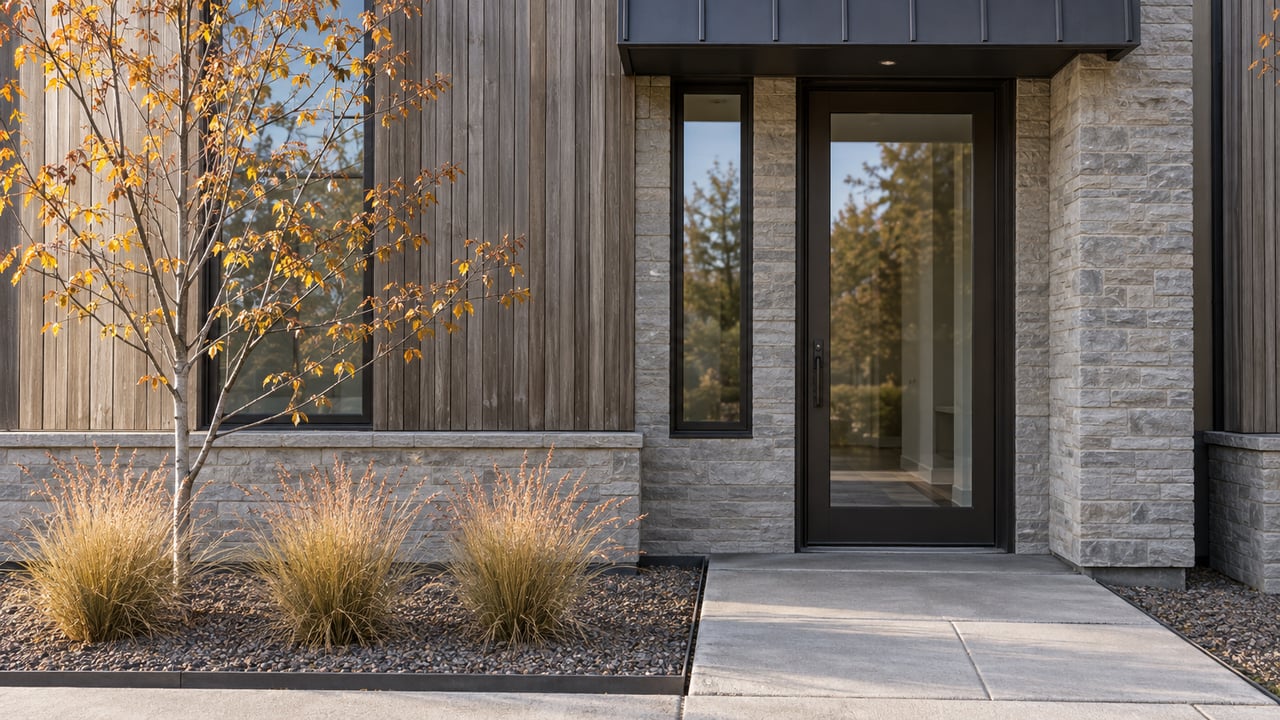
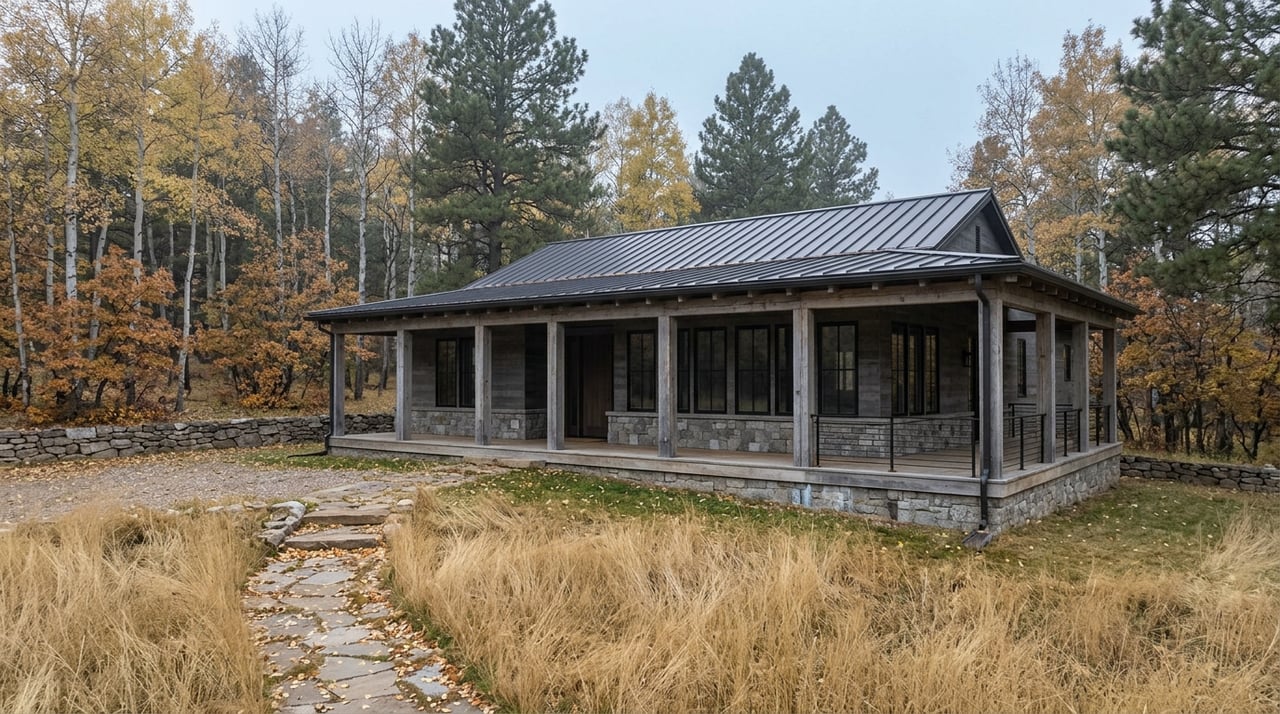
Edgemont Ranch is not a one-format neighborhood. The official resources show multiple sub-associations within the broader community, including Farmhouse East and West, Retreat I and II, Victorian Village, Woodbridge, The Bluff, and others.
That matters because the housing stock is varied. Instead of one architectural formula, you will see a long-built-out mix that can include custom single-family homes, older mountain-style homes, and attached product in some sub-association areas.
Lot sizes are not all the same
One of the most common mistakes buyers make is assuming Edgemont Ranch means one typical lot size. The official community page says most homes are on 1 acre or larger, but recent examples show that lot size can vary widely by section and product type.
Examples in the community include homes on 0.277 acres, an 8,363-square-foot lot, a Victorian-style home on 0.92 acres, and a nearly 1.5-acre parcel marketed as one of the last remaining lots. In practical terms, you should treat each property as its own case rather than relying on neighborhood averages.
Why the exact parcel matters
Because Edgemont Ranch includes different sections and sub-associations, you need to verify the details tied to the specific lot or home you want to buy. That includes the plat, easements, governing documents, and any sub-association requirements.
This is especially important if you are comparing a resale home to a vacant lot or comparing one pocket of the neighborhood to another. The neighborhood name may be the same, but the ownership terms may not be.
Lots in Edgemont Ranch
Raw land requires more due diligence
If you are buying a lot in Edgemont Ranch, your checklist should be more detailed than it would be for a finished resale home. The Metropolitan District's builders packet outlines required documents and standards for owners, builders, and contractors.
That includes a construction checklist, water and sewer installation and maintenance guidelines, inspection requirements, and street and driveway standards. So before you buy a buildable parcel, it is smart to understand how driveway grade, utility connection requirements, excavation, and inspection timing could affect your budget and timeline.
Utility fees can affect lot economics
A lot purchase is not just about the asking price. As of January 1, 2026, the Metro District rate schedule says improved lots pay a monthly district fee of $174 plus water usage, while unimproved lots are billed annually at $1,500 for water infrastructure, sewer infrastructure, and snow plowing until a meter is installed.
Those numbers can have a real impact on your holding costs. If you are buying land to build later, you should factor annual district charges into your carry-cost calculation from day one.
Understand who maintains what
One of the most important details for lot and home buyers is underground utility responsibility. The current rate schedule says the property owner is responsible for the water service line from the outlet side of the meter to the residence, and for the sewer line from the residence to the collector sewer line.
ERMD is responsible for the district-side infrastructure. That split matters because it affects future repair responsibility, maintenance planning, and how you assess risk during due diligence.
Covenants and HOA Rules
The main HOA fee is only part of the picture
The Edgemont Property Owners Association annual fee is currently $393 per year. It is billed in mid-January and due by March 1.
According to the association, those funds support open-space maintenance, fire mitigation, part-time staff, trail upkeep, tennis courts, children’s playground equipment, trout stocking in the Florida River, and community events. This fee is separate from Metro District charges, so buyers should plan for both.
Some properties have added sub-association rules
This is where Edgemont Ranch can get more nuanced than buyers expect. In addition to the broader EPOA framework, some sections have their own governing documents and fees.
That means you should not assume every property follows the same rulebook. Before you close, review the exact documents for the parcel you are considering so you know whether there are added restrictions, approvals, or dues.
Design review is part of ownership
If you are planning exterior changes, landscaping work, or new construction, design review is a key part of the ownership process. The EPOA resource center states that the Design Review Board reviews house and landscape plans by email or at the office.
The governing document set includes CC&Rs, bylaws, revised policies, a design handbook, exterior project forms, and a certificate-of-compliance process. In simple terms, Edgemont Ranch ownership comes with active compliance responsibilities, not a hands-off approach.
What Buyers Should Know About Amenities and Use Rules
The amenities in Edgemont Ranch can be a strong value point, but they also come with community rules. The trail system has specific use requirements, including leash rules for dogs, yielding to hikers when riding bikes, and designated sections groomed for cross-country skiing when snow conditions allow.
That may sound minor, but it tells you something important about the neighborhood. This is a community where shared spaces are actively managed, which can help preserve the experience buyers are seeking.
For buyers thinking about part-time occupancy or rental use, the ownership structure also deserves a closer look. The association's new-owner materials include renter-contact and landlord payment-obligation forms, along with owner and resident administration items tied to neighborhood access and use.
How Edgemont Ranch Compares Nearby
Edgemont Ranch vs. Edgemont Meadows
If you are deciding between nearby communities, Edgemont Ranch and Edgemont Meadows offer different ownership experiences. Based on official materials, Edgemont Meadows has a more standardized and intentionally curated feel, with architectural and landscaping requirements that emphasize natural grades, low-water landscaping, and native plantings.
Edgemont Ranch, by contrast, is generally more established and more variable. If you value a longer-built-out neighborhood with a wider mix of property types and lot characteristics, Edgemont Ranch may offer more flexibility.
Edgemont Ranch vs. Rafter J
Compared with Rafter J, Edgemont Ranch offers more city-style infrastructure and more neighborhood amenities. Official Rafter J materials describe a more rural setup with primarily 3- to 6-acre lots, private roads, and HOA responsibility for road maintenance and plowing.
Edgemont Ranch sits in a middle zone. It offers more privacy and forest character than a denser newer trail community, but it also provides more infrastructure and organized services than a more rural acreage subdivision.
Smart Questions to Ask Before You Buy
When you tour a property or evaluate a lot in Edgemont Ranch, focus on details that affect real ownership costs and flexibility. A few smart questions can save you time and surprises later.
Ask for:
- The exact sub-association, if any
- Current EPOA documents and any sub-association documents
- Metro District fee information for the specific parcel
- Lot plat and easement information
- Design review requirements for planned exterior work
- Utility responsibility details for water and sewer lines
- Builder packet items if you are purchasing vacant land
These are not small-print issues. In Edgemont Ranch, they are central to understanding what you are actually buying.
Why Guidance Matters in Edgemont Ranch
Edgemont Ranch can be a great fit if you want a wooded Durango-area setting with organized infrastructure, neighborhood amenities, and a broad mix of homes and lots. The flip side is that buyers need to look closely at fees, district responsibilities, design review, and parcel-specific documents before moving forward.
That is where practical guidance makes a difference. When you are comparing lot potential, reading through covenants, or evaluating utility responsibilities, clear local insight can help you avoid surprises and negotiate from a stronger position.
If you are considering a home or lot in Edgemont Ranch and want grounded, detail-focused guidance, connect with Jeremiah Aukerman - eXp Realty Luxury. You will get practical local insight to help you evaluate the property, the documents, and the ownership costs with confidence.
FAQs
What kind of homes are in Edgemont Ranch?
- Edgemont Ranch has a varied mix that can include custom single-family homes, older mountain-style homes, and attached product in some sub-association areas.
Do all Edgemont Ranch properties have the same HOA rules?
- No. Some properties fall under additional sub-association documents and fees, so you should review the exact governing documents for the parcel you want to buy.
What is the EPOA fee in Edgemont Ranch?
- The Edgemont Property Owners Association annual fee is currently $393 per year, billed in mid-January and due by March 1.
What Metro District fees apply in Edgemont Ranch?
- As of January 1, 2026, improved lots pay $174 per month plus water usage, and unimproved lots are billed $1,500 annually until a meter is installed.
What should lot buyers check before buying in Edgemont Ranch?
- Lot buyers should review the plat, easements, district fees, builder packet requirements, utility responsibilities, and any design review standards tied to the parcel.
Does Edgemont Ranch have trails and community amenities?
- Yes. The community offers more than 6 miles of trails, Florida River access, a tennis court, a playground, and community events, along with rules for trail use and shared spaces.