Buying a ski-in/ski-out condo in Purgatory sounds simple until you realize not every "slope-side" unit offers the same experience. Some condos have true on-snow access, while others are better described as a short walk to the lifts or a drive within the resort area. If you want a property that fits how you actually plan to use it, you need to look beyond the marketing language and into the details that affect convenience, cost, and long-term value. Let’s dive in.
Verify true ski-in/ski-out access
At Purgatory Resort, the building name alone does not tell you everything. The resort’s lodging options include true ski-in/ski-out condos, walk-to-lift properties, and units located farther out in the resort area, including places like Cascade Village, Sheol Street Lodging, Purgatory Village, Homes & Townhomes, and Purgatory Lodge/Peregrine Point.
That is why your first step should be confirming the actual route from the condo to the slope and back again. A unit may be marketed as being in the resort area, but your day-to-day experience can be very different depending on where the door, trail connection, and lift access actually sit.
It also helps to remember that ski access can change with conditions. Purgatory notes that lift hours can vary during the season, some trails may close earlier, and trails can also close for snowmaking, weather, events, or mountain conditions.
If you are buying from out of town, try to visit during the season that matters most to you. A condo that feels effortless in peak winter may feel very different during shoulder season, and a unit that seems close on a map may ski differently in real life.
Questions to ask about slope access
- Is the unit truly ski-in/ski-out, or is it walk-to-lift?
- What trail or lift do you use to start the day?
- Is the return route direct, or does it depend on conditions?
- How does access change when trails or lifts are limited?
- Is there a shuttle option if access is less convenient than expected?
Purgatory does offer free homeowner and parking lot shuttles during mountain operations. That can be a helpful backup, but it should not replace verifying how the condo works on a normal ski day.
Compare HOA dues and building health
A great location can still come with the wrong ownership costs if you do not review the condo documents carefully. HOA dues are usually separate from your mortgage payment, and they may cover shared maintenance, grounds, insurance, and reserve funding.
You will want to understand not just the monthly amount, but what that amount supports. A well-run HOA with healthy reserves can reduce surprise costs, while weak reserves or deferred maintenance can increase the chance of future assessments.
At Purgatory, unit condition can vary widely even within the same building. The resort notes that its residences are privately owned and no two properties are exactly alike, so one condo may be updated and move-in ready while the one next door may need significant work.
That is especially important in resort properties, where age, upgrades, and maintenance can shape both comfort and resale value. For example, Purgatory Lodge was unveiled in 2008, while other units in the resort area may advertise features like remodeled kitchens, new appliances, new flooring, rooftop hot tubs, or private washers and dryers.
Review these HOA and building items
- Current HOA dues
- Reserve fund strength
- Any planned or recent special assessments
- Master insurance coverage
- Rules on rentals
- Remaining useful life of major components
- Recent building upgrades or deferred maintenance
If you are the kind of buyer who values fewer surprises, this is one area where a detail-driven review matters. Small issues in condo docs can turn into big ownership costs later.
Understand insurance and interior responsibility
One of the most common condo mistakes is assuming the HOA insurance covers everything. In many condo communities, the master policy covers the building exterior and common elements, while you may still need HO-6 coverage for the interior of your unit.
That distinction matters in a mountain resort setting. You should know what the HOA covers, what remains your responsibility, and whether features inside the condo would need to be repaired or replaced at your expense.
This is also a good time to verify comfort features instead of assuming they are standard. Some Purgatory listings specifically note that a unit is not air conditioned, so if summer use matters to you, cooling should be confirmed in writing.
Check parking, storage, and daily convenience
Ski condos are not just about trail access. They are also about how easy the property feels when you arrive with gear, groceries, friends, or family.
Purgatory’s lodging program advertises free parking, and some higher-end properties include covered parking, garage parking, or heated garage parking. That said, the setup can differ by building and by unit, so you should confirm whether parking is deeded, assigned, covered, or simply available on a first-come basis.
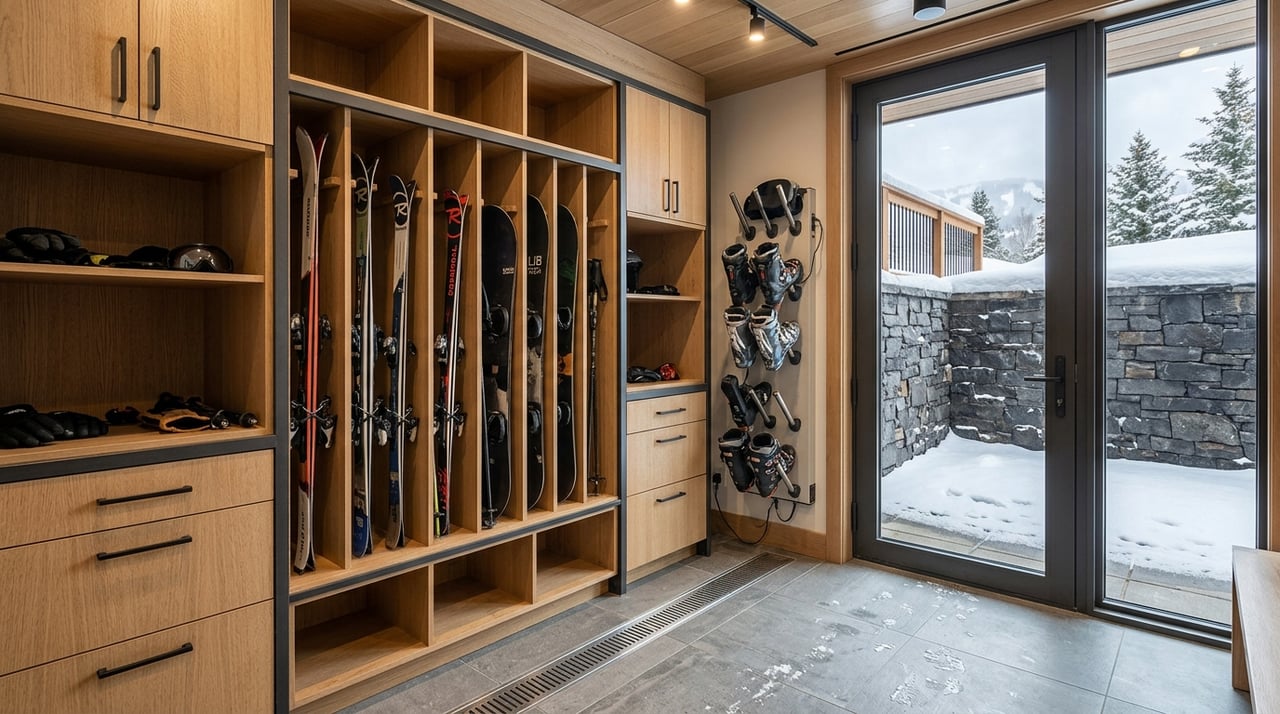
Storage deserves its own review. Purgatory offers overnight ski storage at the resort, and some units advertise private slope-side ski lockers, but you should confirm whether storage is deeded, assigned, shared, or tied to a rental arrangement rather than ownership.
Convenience inside the village can also vary more than buyers expect. Some locations place you near ski school, the rental shop, dining, and base-area services, while others may involve more walking or driving.
Convenience features worth comparing
- Deeded or assigned parking
- Covered or heated parking options
- Private ski locker or shared storage
- In-unit laundry
- Wi-Fi availability
- Fireplace
- Deck or outdoor space
- Proximity to dining, rentals, and base services
These details may seem secondary during an online search, but they often shape how much you enjoy the condo once you own it.
Evaluate updates unit by unit
In Purgatory, the phrase "same building" does not always mean "same quality." Because condos are privately owned, updates and maintenance can vary significantly from one unit to another.
That means you should look closely at the actual finishes, systems, and wear level inside the condo you are considering. A remodeled kitchen, newer appliances, fresh flooring, or an in-unit washer and dryer can change both your upfront costs and your enjoyment of the property.
This is where a practical eye matters. Cosmetic appeal is nice, but you also want to understand what has truly been improved and what may still need attention.
Assess rental potential realistically
If you are thinking about offsetting costs with short-term rentals, look at the numbers with a clear eye. Purgatory’s rental pool advertises a 65% revenue split for participating owners, along with two free ski passes, 24/7 front desk access, two deep cleans per year, linen and small-ware replacement, low cleaning fees, and year-round demand.
Those benefits can be meaningful, but rental performance still depends on the specific unit, the building rules, and the management agreement. A better-located or better-updated condo may perform differently than a unit in the same complex with a less convenient layout or weaker access.
Long-term ownership costs also go beyond the mortgage. HOA dues, insurance needs, maintenance, and potential special assessments all affect the property’s true carrying cost.
Rental and cost questions to ask
- Is the building renter-friendly?
- Are there restrictions on owner use or guest stays?
- Is the unit currently in a rental program?
- What fees come out before owner revenue is paid?
- How do HOA dues affect the full monthly cost?
- Are any capital projects expected soon?
If you are buying partly as an investment, it helps to run the condo as both a lifestyle purchase and a business decision. The right property usually works on both levels.
Visit in person when possible
Online photos and listing remarks can only tell you so much. In a mountain market like Purgatory, the safest approach is to pair digital research with an in-person visit.
Mountain weather changes quickly, trail conditions shift, and the feel of a condo can change depending on the time of year. What looks ideal in a summer tour may feel less convenient in winter if access, parking, or building layout is not as simple as it appeared.
An in-person visit gives you the chance to test the real-world experience. You can walk the route, check the parking, review the building condition, and decide whether the unit matches your priorities.
Focus on how you will actually use it
The best Purgatory ski-in/ski-out condo is not always the flashiest one. It is the one that fits your goals, whether that means easy ski access, stronger rental potential, lower surprise costs, or a more comfortable year-round retreat.
When you compare units carefully, you put yourself in a much better position to buy with confidence. In a resort market where details vary building by building and unit by unit, that extra homework can make a major difference.
If you want help comparing Purgatory condos with a practical, detail-first approach, reach out to Jeremiah Aukerman - eXp Realty Luxury. You will get local guidance grounded in real property details, not just listing language.
FAQs
What makes a Purgatory condo truly ski-in/ski-out?
- A true ski-in/ski-out condo offers direct on-snow access, while some Purgatory properties are only walk-to-lift or located elsewhere in the resort area, so you should verify the actual ski route for that specific unit.
What should you review in a Purgatory condo HOA?
- You should review HOA dues, reserve funding, special assessments, master insurance, rental rules, and the condition and remaining useful life of major building components.
Does a Purgatory condo HOA insurance policy cover the whole unit?
- Not always. The master policy often covers the exterior and common elements, while you may still need HO-6 coverage for the interior of your condo.
Why does parking matter in a Purgatory ski condo?
- Parking setups vary by property and may include open parking, assigned spaces, covered parking, or heated garage parking, so it is important to confirm exactly what comes with the unit.
Can you rent out a ski condo at Purgatory Resort?
- Some units may participate in rental programs, and Purgatory advertises a 65% revenue split for its rental pool, but rental results depend on the unit, building rules, and management terms.
Should you visit a Purgatory condo in winter before buying?
- If winter use is a priority, visiting during ski season can help you evaluate real access, parking, trail connections, and overall convenience under the conditions that matter most.